Aziz

Sustainability in digitizing service

Embracing Sustainability in 3D Puff Embroidery

In recent years, sustainability has become a buzzword across various industries, including embroidery. As the demand for eco-friendly practices grows, it’s essential to explore how we can incorporate sustainability into our 3D puff embroidery digitizing projects. By making mindful choices, we can reduce our environmental impact while still creating stunning, dimensional designs for 3d embroidery. Understanding Sustainability in Embroidery Sustainability in embroidery involves using materials and methods that minimize harm to the environment. This includes choosing eco-friendly materials, reducing waste, and employing energy-efficient practices. As an embroiderer, whether you’re a hobbyist or a professional offering digitizing services like Punch Digitizing, adopting sustainable practices can benefit both your business and the planet. Choosing Eco-Friendly Materials One of the most effective ways to enhance sustainability in 3D puff embroidery is by selecting eco-friendly materials. Here are some options to consider: Organic Threads: Options for threads made from organic cotton or other natural fibers. These threads are grown without harmful pesticides and chemicals, reducing their environmental footprint. Recycled Threads: Another great option is threads made from recycled materials. These threads give a second life to plastic bottles and other waste products, helping to reduce landfill waste. Sustainable Foam: Traditional embroidery foam can be harmful to the environment due to its non-biodegradable nature. Look for foam made from biodegradable or recycled materials to lessen your impact. Natural Fabrics: Using natural fabrics such as organic cotton, linen, or hemp can also contribute to sustainability. These materials are typically more environmentally friendly than synthetic alternatives. Reducing Waste Waste reduction is a key aspect of sustainable embroidery. By implementing the following practices, you can minimize waste in your 3D puff embroidery projects: Efficient Design: Plan your designs carefully to reduce excess material usage. This includes optimizing the placement and size of your embroidery to minimize waste. Reuse and Recycle: Save leftover materials from previous projects for future use. Small pieces of fabric and thread can often be repurposed in new designs. Digital Designs: Utilize digital design tools to perfect your embroidery patterns before stitching. This helps reduce the need for trial and error, conserving materials. Proper Hooping: Ensure your fabric and foam are properly hooped to avoid misalignment and waste. Secure hooping prevents the need for rework and material loss. Energy-Efficient Practices Adopting energy-efficient practices in your embroidery studio can further enhance sustainability. Here are some tips to consider: Energy-Efficient Machines: Invest in embroidery machines that are energy-efficient. These machines consume less power, reducing your overall energy usage. LED Lighting: Replace traditional bulbs with LED lighting in your workspace. LEDs use less energy and have a longer lifespan, making them a more sustainable choice. Mindful Usage: Be conscious of your energy consumption. Turn off machines and lights when not in use, and schedule embroidery sessions during off-peak energy hours if possible. Sustainable Packaging If you offer embroidery services, consider using sustainable packaging for your products. This includes using recyclable or biodegradable materials for shipping and packaging. Additionally, minimizing packaging materials can further reduce waste. Educating Customers Part of embracing sustainability involves educating your customers about your eco-friendly practices. Highlighting your commitment to sustainability can attract environmentally conscious clients and set you apart from competitors. Be transparent about the materials you use and the steps you take to minimize your environmental impact. Staying Informed and Adapting The field of sustainable embroidery is constantly evolving, with new materials and practices emerging regularly. Stay informed about the latest developments by joining industry forums, attending workshops, and subscribing to relevant publications. By staying updated, you can continuously improve your sustainability efforts. Conclusion Incorporating sustainability into your 3D puff embroidery projects is not only beneficial for the environment but can also enhance the appeal of your work. By choosing punch digitizing with eco-friendly materials, reducing waste, adopting energy-efficient practices, and educating your customers, you can make a positive impact. As the world moves towards more sustainable practices, embracing these changes in your embroidery projects can help you stay ahead and create beautiful, environmentally conscious designs.

Embracing Sustainability in 3D Puff Embroidery Read More »
3d puff designs creation

Mastering the Art of 3D Puff Embroidery Design Creation

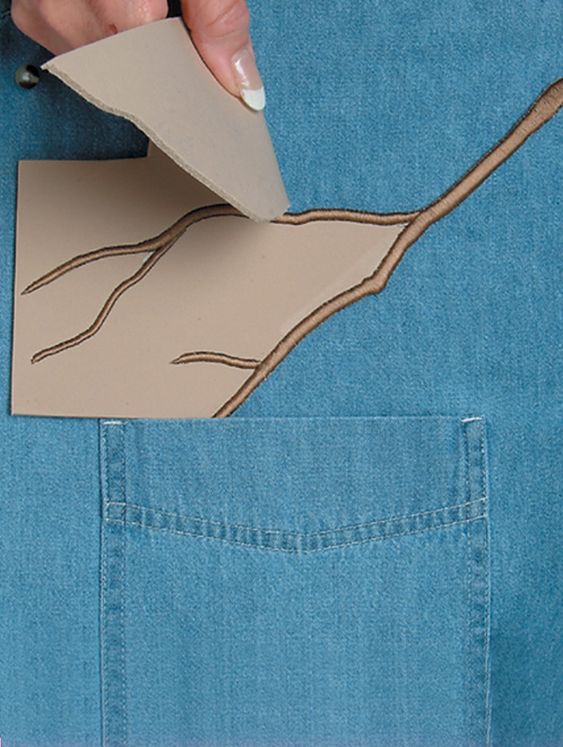
Creating 3D puff embroidery designs can be incredibly rewarding, allowing you to add texture and dimension to your embroidery projects. Whether you’re a seasoned professional or just starting out, understanding the intricacies of design creation can help you achieve spectacular results. In this guide, we’ll explore practical steps and tips to help you master the art of 3D puff embroidery design creation. Understanding the Basics Before diving into the design process, it’s essential to grasp the basics of 3D puff embroidery. This technique involves using a foam underlay to raise parts of the design, giving it a three-dimensional look. The foam is placed under the fabric and stitched over, creating the “puff” effect. Choosing the Right Foam The type of foam you use is crucial to the outcome of your design. There are various thicknesses and colors available, each suited to different projects. Thickness: Thicker foam creates a more pronounced puff but can be harder to work with. For detailed designs, a thinner foam might be more appropriate. Color: The color choices of  3d puff embroidery on foam can affect the final appearance, especially if your stitching doesn’t cover it completely. White foam is a safe choice for most projects, but colored foam can be used for specific effects. Designing with Purpose When creating a design, think about the purpose and the final product. Are you making a logo, a piece of clothing, or a decorative item? The design should suit its intended use. Logos and Branding: For company logos, like those for Punch Digitizing, it’s crucial to maintain brand integrity. Simplify complex logos to ensure they look clean and professional in 3D puff form. Clothing and Accessories: For apparel, consider the placement of the design. Designs on hats, for instance, need to be smaller and centered, while designs on jackets can be larger and more spread out. Tips for Creating Effective Designs Keep it Simple: Intricate designs can get lost in the puff effect. Simplify your artwork to ensure the key elements stand out. Outline and Details: Use bold outlines to define the edges of your design. This helps maintain clarity and enhances the three-dimensional effect. Spacing and Overlap: Ensure your design elements are appropriately spaced. Overlapping too much can flatten the puff, while too much space can make the design look disjointed. Using Software for Design Embroidery software is an invaluable tool for creating 3D puff designs. Programs like Wilcom and Hatch offer features specifically for 3D embroidery. Digitizing: Start by digitizing your design, converting it into a format your embroidery machine can read. This step is crucial for precise and accurate stitching. Layering: Use the software to create multiple layers in your design. This helps manage the stitching sequence, ensuring that the foam is properly covered. Simulation: Most software includes a simulation feature, allowing you to preview your design in 3D. This helps you visualize the final product and make necessary adjustments. Practical Steps for Embroidery Once your design is ready, it’s time to bring it to life. Here’s a step-by-step guide to help you through the process: Prepare Your Materials: Gather your fabric, foam, and threads. Ensure your embroidery machine is set up and ready to go. Hooping: Proper hooping is essential for a successful 3D puff design. Ensure the fabric and foam are tightly secured to avoid shifting during stitching. Stitching: Start with a base layer of stitching to secure the foam. Follow your digitized design, stitching over the foam to create the puff effect. Finishing Touches: Once the stitching is complete, carefully trim any excess foam. Use a heat gun or iron to smooth out the edges if necessary. Creating beautiful 3D puff designs involves more than just the right techniques. Color choices play a significant role in the overall appeal of your designs. To get more insights into selecting the perfect colors, check out our article on 3D puff embroidery color choices Staying updated with the latest trends can also inspire your design process. Learn about the current trends in 3D puff embroidery  to keep your designs fresh and relevant. If you’re conscious about the environmental impact of your projects, consider reading about 3D puff embroidery sustainability  to discover eco-friendly practices and materials. Conclusion Punch Digitizing, We are Master in 3D puff embroidery design creation takes practice and attention to detail. By understanding the basics, using the right materials, and leveraging embroidery software, you can create stunning, dimensional designs that stand out. Whether you’re working on branding, clothing, or decorative items, these tips will help you achieve professional results. Remember, the key to great 3D puff embroidery is a combination of creativity and technique. Keep experimenting, stay patient, and most importantly, enjoy the process of bringing your designs to life!

Mastering the Art of 3D Puff Embroidery Design Creation Read More »

Puff embroided shirts

Transform Your Designs with Perfect Color Choices for 3D Puff Embroidery

3D puff embroidery is an eye-catching way to add dimension and style to your projects, making color selection a critical aspect of creating standout designs. Whether you’re a professional or a hobbyist, understanding how to choose the right colors can elevate your work to new heights. In this blog, we’ll dive deep into the nuances of color choices for 3D puff embroidery, offering tips and tricks to help you make the best decisions. Understanding Color Theory in 3D Puff Embroidery Color theory is fundamental when it comes to any form of design, and 3D puff embroidery is no exception. By grasping the basics of color theory, you can create harmonious and visually appealing designs. Primary colors (red, blue, and yellow) are the building blocks, while secondary colors (green, orange, and purple) result from mixing primary colors. Complementary colors, like blue and orange or red and green, are opposite each other on the color wheel and create high contrast when used together. Incorporating these principles can help ensure that your designs pop. For instance, using complementary colors in 3D puff embroidery can enhance the dimensional effect, making the design more vibrant and noticeable. Choosing Colors Based on Design Purpose When selecting colors for your 3D puff embroidery project, consider the purpose of the design. Are you creating a business logo, a piece of art, or a functional item like a hat or jacket? The context can significantly influence your color choices. Logos and Branding: If you’re working on a logo, consistency with the brand’s color scheme is vital. Brands often have specific color palettes that convey their identity. For example, Punch Digitizing offers digitizing services, so if you’re embroidering their logo, staying true to their brand colors maintains their visual identity. Artistic Projects: For more creative and artistic projects, you have the freedom to experiment. Consider using bold and contrasting colors to make the 3D effect more pronounced. Functional Items: When working on functional items like clothing or accessories, think about the overall aesthetic. Neutral colors might be suitable for a more subtle look, while bright colors can make a statement. Tips for Selecting the Right Colors Test Swatches: Before committing to a color scheme, create test swatches. This allows you to see how the colors interact and appear in 3D puff embroidery. Consider the Fabric: The color of the fabric you’re working with will impact your color choices. Dark fabrics often require brighter colors to stand out, while light fabrics can accommodate a wider range of hues. Use a Color Palette Tool: Tools like Adobe Color can help you create cohesive color palettes. These tools allow you to explore different color combinations and find what works best for your design. Seasonal Trends: Keep an eye on seasonal color trends. Colors that are popular in fashion and design can inspire your 3D puff embroidery projects. For instance, pastels might be in vogue during spring, while richer, deeper colors are popular in fall. When discussing color choices, it’s essential to consider the broader context of your 3D puff embroidery projects. For example, the colors you choose can directly impact the overall design process. If you’re interested in learning more about how to create intricate designs, check out our detailed guide on 3D puff embroidery design creation Moreover, staying updated with the latest trends can help you make informed decisions about your color choices. Discover the latest trends in 3D puff embroidery  to ensure your designs are fresh and contemporary. Lastly, sustainability is becoming increasingly important in all forms of design, including embroidery. Explore our article on 3D puff embroidery sustainability  to learn how you can make eco-friendly choices in your projects. Conclusion Choosing the right colors for your 3D puff embroidery projects is both an art and a science. Punch Digitizing helps you in understanding color theory, considering the purpose of your design, and following practical tips, you can create stunning and impactful designs. Whether you’re working on a professional logo or a personal project, the right colors can make all the difference. Remember, the world of 3D puff embroidery is vast and full of possibilities. Keep experimenting, stay curious, and most importantly, have fun with your designs!

Transform Your Designs with Perfect Color Choices for 3D Puff Embroidery Read More »

Embroidered wardrobe

Embroidery Digitizing for Fashion: Transform Your Wardrobe with Punch Digitizing

Fashion is all about expressing individuality, and nothing does it better than custom embroidery. With the expertise of Punch Digitizing, you can elevate your fashion game by adding unique, personalized embroidery to your clothing and accessories. Let’s explore how embroidery digitizing is transforming the fashion industry and how you can leverage our services to stand out. The Impact of Embroidery Digitizing in Fashion Embroidery digitizing is the process of converting a design into a digital file that guides embroidery machines. This technique allows for precise and intricate embroidery on a variety of fabrics, making it a popular choice in the fashion industry. From haute couture to everyday wear, embroidery digitizing adds a touch of elegance and uniqueness to any piece. Customizing Your Wardrobe With embroidery digitizing, the possibilities for customization are endless. Whether you want to add a monogram to a shirt, create intricate patterns on a dress, or embellish a handbag, digitizing allows you to bring your creative ideas to life. At Punch Digitizing, we specialize in creating detailed and high-quality custom embroidery digitizing, ensuring that your fashion items are both stylish and durable. Elevating Fashion Designs Custom embroidery digitizing can elevate even the simplest of designs. For instance, a plain denim jacket can be transformed into a statement piece with the addition of floral embroidery on the back or sleeves. Similarly, a basic t-shirt can become a fashion-forward item with a unique embroidered logo or graphic. Consider using embroidery to enhance your brand’s identity. If you run a fashion line, custom embroidery can set your pieces apart from the competition. A well-placed embroidered logo can add a professional touch to your products and increase brand recognition. Benefits of Embroidery Digitizing in Fashion Precision and Detail: Embroidery digitizing allows for intricate and detailed designs that are difficult to achieve with traditional embroidery methods. This precision ensures that your designs are consistent and high-quality. Durability: Embroidered designs are more durable than printed ones. The threads used in embroidery are resistant to fading and wear, ensuring that your designs remain vibrant and intact even after multiple washes. Versatility: Embroidery can be applied to a wide range of fabrics and materials, from cotton and denim to leather and silk. This versatility makes it suitable for various fashion items, including clothing, accessories, and footwear. Personalization: Custom embroidery adds a personal touch to your fashion items. Whether it’s a monogram, a favorite quote, or a unique design, embroidery allows you to express your individuality through your wardrobe. Applications of Embroidery Digitizing in Fashion Here are some popular ways to incorporate digitized embroidery into your fashion items: Clothing: Add embroidered designs to shirts, jackets, dresses, and jeans. Custom embroidery can make your clothing items unique and stylish. Accessories: Embellish hats, bags, scarves, and shoes with embroidery. These personalized accessories can enhance your overall look. Uniforms: Custom embroidery is perfect for creating professional and cohesive uniforms for businesses, schools, and sports teams. Embroidered logos and names can add a polished touch to any uniform. Bridal and Formal Wear: Add elegant embroidery to bridal gowns, bridesmaid dresses, and formal wear. Intricate lace patterns, floral designs, and monograms can make these special occasion outfits even more memorable. The Punch Digitizing Difference At Punch Digitizing, we are committed to delivering top-notch digitizing services tailored to your fashion needs. Our team of experts uses advanced software and equipment to create precise and high-quality embroidery digitizing. We understand the importance of attention to detail and work closely with our clients to ensure their vision is realized. Our services are designed to meet the needs of fashion designers, clothing brands, and individual customers in the USA. With quick turnaround times and excellent customer support, we make the process of custom embroidery digitizing seamless and hassle-free. Conclusion Embroidery digitizing is revolutionizing the fashion industry by allowing for precise, detailed, and durable custom designs. At Punch Digitizing, we offer exceptional digitizing services that can transform your fashion items and set you apart from the competition. Whether you’re looking to add a personal touch to your wardrobe or enhance your brand’s identity, our custom embroidery digitizing services are the perfect solution. Explore the potential of custom embroidery digitizing for your fashion needs and discover how Punch Digitizing can help you create stunning, personalized designs. From clothing and accessories to uniforms and formal wear, the possibilities are endless. Contact Us for more information.

Embroidery Digitizing for Fashion: Transform Your Wardrobe with Punch Digitizing Read More »

Home Decoration with embroidery

The Use of Digitizing in Home Decor: Elevate Your Space with Punch Digitizing

Embroidery digitizing has become a transformative tool in various industries, and home decor is no exception. At Punch Digitizing, we offer top-notch digitizing services in the USA, helping you turn your creative ideas into stunning embroidered designs for your home. Let’s explore how you can incorporate digitizing into your home decor to create unique, personalized spaces. Understanding Embroidery Digitizing Embroidery digitizing is the process of converting artwork into a digital file that embroidery machines can read. This digital file guides the machine on how to stitch the design onto fabric. The result is precise, high-quality embroidery that can be applied to various home decor items such as cushions, curtains, wall hangings, and more. Personalize Your Space with Custom Embroidery One of the most significant advantages of embroidery digitizing is the ability to personalize your home decor. Whether it’s monogrammed pillows, custom embroidered bed linens, or unique wall art, digitizing allows you to add a personal touch to your space. For example, imagine a set of throw pillows adorned with your family crest or initials. These personalized pieces not only add a touch of elegance but also make your home uniquely yours. At Punch Digitizing, we specialize in creating detailed and precise custom embroidery digitizing, ensuring your designs come to life just as you envision them. Enhance Your Decor with Unique Designs Custom embroidery digitizing offers endless possibilities for unique home decor. From intricate floral patterns on your curtains to abstract designs on your table runners, digitizing allows you to experiment with various styles and themes. Consider incorporating seasonal designs into your home decor. For instance, you can have holiday-themed embroidery on your tablecloths and napkins. These seasonal touches can create a festive atmosphere and make your home feel more inviting. Quality and Durability Embroidery digitizing ensures that your designs are not only beautiful but also durable. Unlike printed designs that can fade over time, embroidered patterns are stitched into the fabric, making them long-lasting and resistant to wear and tear. This durability is particularly beneficial for frequently used items like cushions and bedspreads. By choosing Punch Digitizing, you can be confident that your designs will be of the highest quality. We use state-of-the-art software and equipment to ensure precise and durable embroidery digitizing. Applications of Digitized Embroidery in Home Decor Here are some popular ways to incorporate digitized embroidery into your home decor: Cushions and Pillows: Custom embroidered cushions can add a pop of color and texture to your living room or bedroom. You can choose designs that complement your existing decor or create a bold contrast. Curtains and Drapes: Add elegance to your windows with embroidered curtains. Whether you prefer subtle patterns or bold designs, embroidery can elevate the look of your drapes. Table Linens: Make your dining experience more special with custom embroidered tablecloths, placemats, and napkins. These personalized touches can impress your guests and enhance the overall dining ambiance. Wall Art: Embroidered wall hangings can be a unique and artistic addition to your home. You can create intricate designs or simple, minimalist patterns to suit your style. Bedding: Custom embroidered bedspreads and pillowcases can add a touch of luxury to your bedroom. Choose designs that reflect your personality and create a relaxing atmosphere. The Punch Digitizing Difference At Punch Digitizing, we pride ourselves on delivering exceptional digitizing services tailored to your needs. Our team of experts works closely with you to understand your vision and bring it to life through precise and high-quality digitizing. We offer a range of services, from simple monograms to complex designs, ensuring that your home decor is as unique as you are. By choosing Punch Digitizing, you not only get top-notch digitizing services but also a partner committed to helping you create beautiful and personalized home decor. Our services are designed to meet the needs of customers in the USA, ensuring quick turnaround times and excellent customer support. Conclusion Incorporating embroidery digitizing into your home decor is a fantastic way to add a personal touch and elevate the overall aesthetic of your space. With Punch Digitizing, you can trust that your designs will be of the highest quality, bringing your creative ideas to life. From personalized cushions to intricate wall art, the possibilities are endless. Explore the potential of custom embroidery digitizing for your home decor and transform your living space into a reflection of your unique style and personality. Whether you’re looking to add a subtle touch of elegance or make a bold statement, Contact Punch Digitizing is here to help you every step of the way

The Use of Digitizing in Home Decor: Elevate Your Space with Punch Digitizing Read More »

Advanced techniques of embroidery digitizing

Mastering Advanced Digitizing Techniques for Superior Embroidery

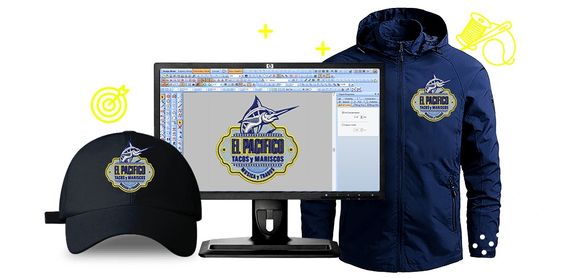
Embroidery has always been a craft of precision and creativity, but with the advent of digitizing technology, it has reached new heights. For businesses and individuals seeking high-quality, intricate embroidery designs, advanced digitizing techniques are the key to achieving exceptional results. At Punch Digitizing, we specialize in providing top-notch digitizing services across the USA, ensuring your embroidery projects are both stunning and durable. Why Advanced Digitizing Techniques Matter In the competitive world of embroidery, the ability to create intricate, detailed designs that maintain their integrity through wear and tear is crucial. Advanced digitizing techniques enable this level of detail and quality, ensuring that your designs stand out. Precision and Detail Advanced techniques allow for the creation of highly detailed designs that retain clarity, even at smaller sizes. This precision is essential for logos and intricate patterns, where every stitch must be perfectly placed. Versatility Advanced digitizing techniques can be adapted to various fabrics and textures, ensuring the best possible results. Whether you’re working with delicate silks or rugged denim, the right technique ensures the design looks flawless. Efficiency These techniques streamline the embroidery process, reducing errors and saving time. More efficient digitizing translates to faster turnaround times and cost savings. Key Advanced Digitizing Techniques At Punch Digitizing, we utilize a range of advanced techniques to deliver superior embroidery designs: 3D Puff Embroidery This technique adds a three-dimensional effect to designs, making them pop. Perfect for creating bold logos on caps, jackets, and other apparel. Appliqué Embroidery Involves stitching fabric pieces onto a garment to create a design. Reduces stitch count and adds a unique texture, ideal for large, bold designs. Gradient and Shading Creates smooth transitions between colors, adding depth and realism to designs. Especially effective for detailed logos and complex patterns. Blending and Layering Blends different stitch types and layers them to achieve a sophisticated, textured look. Enhances the visual appeal of designs, making them more dynamic. Applications of Advanced Digitizing Techniques Advanced digitizing techniques can be applied across a variety of industries and products, enhancing both aesthetics and functionality. Fashion Industry High-fashion brands use advanced techniques to create intricate designs that set their collections apart. Embroidery digitizing for fashion can transform ordinary fabrics into works of art (Blog: Embroidery Digitizing for Fashion). Sportswear Teams and athletic brands benefit from durable, detailed embroidery that stands up to intense use. Understanding digitizing for sportswear can further elevate the quality of team gear (Blog: Digitizing for Sportswear). Home Decor Advanced digitizing can add a touch of elegance to home textiles, from cushions to curtains. The use of digitizing in home decor opens up creative possibilities for personalized interiors (Blog: Use of Digitizing in Home Decor). Corporate Apparel Companies use advanced embroidery to create professional, branded apparel for employees. High-quality digitized logos enhance the corporate image and make a lasting impression. Why Choose Punch Digitizing? At Punch Digitizing, we pride ourselves on our expertise and commitment to quality. Here’s why you should choose us for your advanced digitizing needs: Expert Team Our experienced digitizers are skilled in the latest techniques and technologies. We stay updated with industry trends to ensure the best results for our clients. Customization We work closely with clients to understand their specific needs and preferences. Our customized approach ensures that each project meets the highest standards of quality. Quick Turnaround We understand the importance of timely delivery and strive to provide fast, efficient service. Our streamlined processes ensure that your projects are completed on schedule. Competitive Pricing We offer high-quality digitizing services at competitive prices. Our pricing models are designed to suit businesses of all sizes. Case Studies and Success Stories Punch Digitizing has helped numerous clients achieve stunning embroidery results through advanced digitizing techniques. Here are a few success stories: High-Fashion Brand Collaborated with a fashion brand to digitize intricate designs for their latest collection. Used gradient and shading effects to add depth and realism, resulting in a standout collection. Local Sports Team Provided digitizing services for a local baseball team, enhancing their uniforms with 3D puff embroidery. The bold, three-dimensional logos helped boost team spirit and identity. Home Decor Business Worked with a home decor company to create personalized, high-quality embroidered cushions. Implemented blending and layering techniques for a sophisticated, textured finish. Conclusion Advanced digitizing techniques are essential for achieving superior embroidery results. Whether you’re in the fashion industry, managing a sports team, or looking to enhance your home decor, Punch Digitizing offers the expertise and precision needed to bring your designs to life. Contact us today to learn more about how we can help elevate your embroidery projects with advanced digitizing.

Mastering Advanced Digitizing Techniques for Superior Embroidery Read More »

Sports Wear Embroidery Digitizing

Elevate Your Athletic Gear with Professional Digitizing for Sportswear

When it comes to sportswear, every detail matters—from the fabric’s breathability to the durability of the stitching. But one aspect that can truly set athletic gear apart is the quality of the embroidery. Whether you’re a sportswear manufacturer, a team manager, or an athlete looking for custom designs, Punch Digitizing offers top-notch digitizing services in the USA, ensuring your sportswear stands out in terms of both style and functionality. The Importance of High-Quality Digitizing in Sportswear Sportswear undergoes a lot of wear and tear. From frequent washing to the rigorous activities athletes engage in, the embroidery on sportswear needs to be resilient. This is where digitizing comes in. High-quality custom embroidery digitizing ensures that the embroidery design is accurately converted into a digital format, allowing for precise and durable stitching. Durability and Performance Well-digitized designs ensure that the embroidery withstands extensive use without fraying or fading. Advanced digitizing techniques can optimize the stitch patterns for different types of fabrics, enhancing the longevity of the sportswear. Customization and Branding Custom digitizing allows teams and brands to showcase their logos, player names, and other unique designs. Personalized embroidery not only boosts team spirit but also serves as a powerful branding tool. Key Considerations for Digitizing Sportswear When digitizing for sportswear, there are several critical factors to consider: Fabric Type Sportswear fabrics like polyester, spandex, and blends require specific digitizing techniques to prevent puckering and distortion. Punch Digitizing uses specialized software to tailor designs to the fabric’s unique properties, ensuring a perfect finish. Design Complexity Complex designs with intricate details need to be digitized with precision to maintain clarity and readability. Our expert digitizers pay close attention to every detail, ensuring that even the most intricate logos are executed flawlessly. Stitch Density and Type The right stitch density ensures that the embroidery is neither too loose nor too tight, which can affect the fabric’s flexibility and comfort. Different types of stitches are chosen based on the design and fabric to achieve the best results. Advanced Techniques in Sportswear Digitizing Punch Digitizing employs advanced digitizing techniques to enhance the quality and durability of sportswear embroidery: 3D Puff Digitizing Adds dimension and texture to designs, making logos and names stand out. Ideal for caps and jackets, giving a bold, professional look. Appliqué Digitizing Uses fabric pieces sewn onto the sportswear to create a design, reducing stitch count and adding unique texture. Efficient for large designs, offering a lightweight alternative to dense embroidery. Gradient and Shading Effects Advanced software allows for gradient effects, creating a smooth transition between colors. Adds depth and realism to logos and graphics. Use Cases and Success Stories Punch Digitizing has worked with numerous sports teams and apparel brands, helping them achieve standout designs. Here are a few examples: Local Sports Teams Provided high-quality digitized logos for local baseball and soccer teams, enhancing team identity and pride. Used 3D puff digitizing for baseball caps, giving a professional edge to team gear. Athletic Apparel Brands Collaborated with emerging sportswear brands to digitize intricate designs, helping them establish a strong market presence. Implemented gradient and shading effects for more dynamic and appealing designs. Understanding advanced digitizing techniques can further enhance the quality of your sportswear designs. Additionally, exploring the use of digitizing in home decor can inspire creative applications beyond sportswear. For those in the fashion industry, leveraging digitizing for embroidery fashion can lead to innovative and stylish apparel collections. Why Choose Punch Digitizing? Expertise and Precision Our team of experienced digitizers ensures that every design is executed with the highest level of accuracy and detail. We use the latest software and techniques to deliver superior results. Customer-Centric Approach We work closely with clients to understand their specific needs and preferences. Offering customized solutions that align with your brand and enhance the quality of your sportswear. Quick Turnaround and Competitive Pricing Fast and efficient service without compromising on quality. Affordable pricing tailored to suit businesses of all sizes. Conclusion By integrating professional digitizing services into your sportswear production, you can ensure that your designs are not only visually appealing but also durable and high-performing. At Punch Digitizing, we are committed to delivering top-tier digitizing services that meet your specific needs and exceed your expectations. Contact us today to learn more about how we can help elevate your sportswear with exceptional embroidery digitizing.

Elevate Your Athletic Gear with Professional Digitizing for Sportswear Read More »

how to remove iron on patches

How to Effectively and Easily Remove Iron-On Patches?

Iron-on patches have become a popular way to customize clothing, adding a personal touch to everything from denim jackets to backpacks. However, the trend brings with it the challenge of patch removal, especially without damaging the fabric. Whether you’re dealing with delicate materials or the risk of scorching, finding the right method for your specific fabric is crucial. Patch Removal Methods (Considering Fabric Type) A. Heat Method (For Heat-Resistant Fabrics like Denim, Cotton) Iron and Paper Towel Technique Place a paper towel or a clean cloth over the patch. Set your iron to a medium heat setting and press over the patch for about 15-20 seconds. Carefully lift the paper towel and check if the patch is peeling off. If not, repeat until it loosens. Hair Dryer Technique (For Delicate Areas) Set your hair dryer to its highest heat setting. Direct the hot air onto the patch for a few minutes, making sure to move it around to avoid overheating any one spot. Once the adhesive softens, gently peel off the patch using tweezers. B. Freeze Method (For Synthetics, Wool) Place the garment with the patch in a plastic bag and put it in the freezer for several hours. After freezing, take the garment out and quickly try to peel off the patch. The cold should make the adhesive brittle and easier to remove. C. Solvent Method (For Stubborn Patches or Heavy-Duty Materials) Safety First: Wear gloves and ensure good ventilation. Acetone: Apply a small amount of acetone to a cotton ball and dab it on the patch’s edges. Be careful as acetone can damage some fabrics. Rubbing Alcohol: For a gentler approach, use rubbing alcohol. Dab it on the patch and let it sit for a few minutes before attempting to peel it off. D. Patch Removal Tool (Optional) Consider using a patch removal tool designed specifically for this purpose. While it might be an additional expense, it can be effective for stubborn jean patches without causing fabric damage. Addressing Common Concerns and Mistakes Patch Residue Removal Use a lint roller to pick up any leftover adhesive. For more stubborn residue, gently scrape with a dull knife, taking care not to damage the fabric. Scorching Risk Always use a lower heat setting and place a pressing cloth between the iron and the fabric, especially for delicate materials. Fabric Damage Test the removal method on a small, inconspicuous area of the garment first to ensure it won’t cause damage. Bonus Tips and Considerations Pre-Treating Stubborn Patches: Apply a small amount of fabric softener or adhesive remover before attempting to peel off the patch. Patch Reapplication: If you want to keep the patch but move it to a different spot, consider reapplying it using fabric glue. Upcycling Removed Patches: Get creative with removed patches by using them on other projects or creating a patchwork design. Try it Yourself Removing iron-on patches can be tricky, but with the right method for your fabric, it becomes much easier. Whether you use heat, cold, solvents, or a specialized tool, there’s a solution that will work for you. Don’t be afraid to experiment and find what works best for your situation. Have you removed an iron-on patch successfully? Share your experiences and tips in the comments below! For more tips on clothing customization and fabric care, check out our other blog posts. Commonly Asked Questions How long should I heat the patch when using the heat method? Heat the patch for about 15-20 seconds at a time when using an iron or hair dryer. Check if the patch starts to loosen after each interval. Repeat the process until the patch peels off easily. Be careful not to overheat to avoid damaging the fabric. What should I do if the patch removal leaves a permanent mark on the fabric? If removing the patch leaves a permanent mark, try the following: Clean the Area: Use a mild detergent or stain remover to clean any remaining adhesive. Fabric Dye: For severe discoloration, consider using fabric dye to blend the marked area with the rest of the garment. Cover Up: If the mark persists, you can cover it with a new patch, embroidery, or fabric paint to give the garment a fresh look. Is it okay to iron directly on the patch itself? It’s generally not recommended to iron directly on the patch, especially if you want to remove it. Always place a thin cloth, like a tea towel or a piece of parchment paper, between the iron and the patch. This protects the fabric from potential heat damage and ensures even heat distribution. What are some natural alternatives to harsh chemical solvents? For those looking to avoid harsh chemicals, try these natural alternatives: White Vinegar: Soak a cloth in white vinegar and dab it on the patch. The acidity can help loosen the adhesive. Baking Soda Paste: Mix baking soda with water to create a paste. Apply it to the patch and let it sit for a few minutes before gently scrubbing. Lemon Juice: The citric acid in lemon juice can also help break down the adhesive. Apply it similarly to vinegar. How can I remove a patch that’s been sewn on in addition to being ironed-on? Cut the Threads: Use a seam ripper or small scissors to carefully cut the threads holding the patch in place. Be gentle to avoid cutting the fabric. Apply Heat: Once the threads are removed, use the heat method to soften the adhesive. Follow the steps mentioned earlier. Peel Off: Gently peel off the patch once the adhesive is softened. Can I reapply an iron-on patch after removing it? Yes, you can reapply an iron-on patch after removing it, but you’ll need to use fabric glue or a new layer of fusible webbing: Clean the Patch: Make sure the back of the patch is free from old adhesive and fabric residues. Apply Fabric Glue or Fusible Webbing: Use fabric glue designed for patches or iron-on fusible webbing to reattach the patch.

How to Effectively and Easily Remove Iron-On Patches? Read More »

how to put patches on jeans

How to Put Patches on Jeans with Stitching, Ironing, or Adhesive

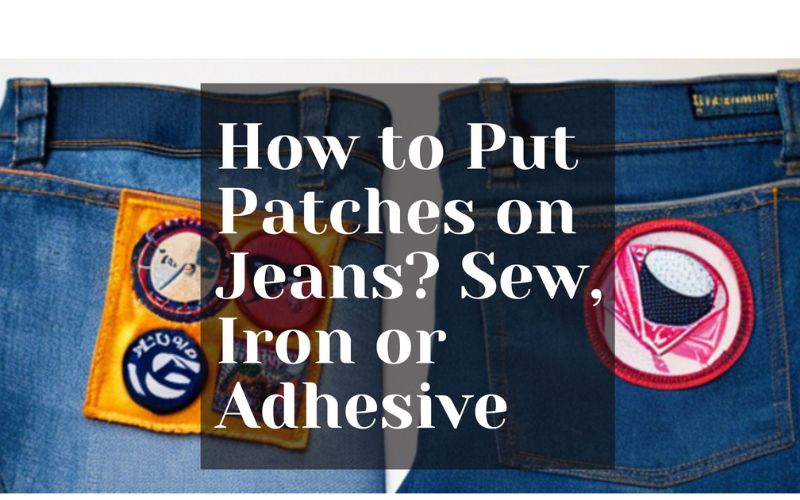
There’s something undeniably charming about a well-placed patch on a pair of jeans. Whether you’re looking to express your personality, mend a tear, or simply spice up an old pair of denims, patches are a fantastic way to make a statement. Today, Punch Digitizing is  excited to share everything about how to put patches on jeans with stitching, ironing, or adhesive techniques. Types of Patches Let’s start by exploring the different types of patches you can use: Embroidered Patches: These are classic and often feature intricate designs. They’re perfect for adding a vintage or artisanal touch. Printed Patches: If you’re into graphic designs or slogans, printed patches are ideal. They come in endless designs and colors. Iron-on Patches: Popular for their ease of use, iron-on patches are great for quick applications without sewing. Handmade Patches: For those who love a fully custom look, making your own embroidery patches from scrap fabric can be incredibly rewarding. Tools and Materials Needed Before you start, make sure you have the right tools. You’ll need: An iron for iron-on patches A needle and thread if you choose to sew Fabric glue for adhesive patches Scissors, and possibly a ruler or tape measure for placement precision Preparation Steps Preparation is key: Wash and dry your jeans without fabric softener to ensure the patches adhere properly. Decide where to place your patch. Popular spots include the thigh, knee, or back pocket, but feel free to get creative. Prepare your patch by ensuring it’s clean and ready to be applied. How to Stick Patches on Jeans – Application Techniques 1. How to Iron on Patches to Jeans Iron-on patches are perfect for those who want a secure application without sewing. Here’s how to apply them flawlessly: Prep the Jeans and Patch: Ensure the area on the jeans where the patch will be applied is flat and wrinkle-free. Iron the spot lightly to warm it up, which helps the adhesive bond better. Position the Patch: Place the patch exactly where you want it. It’s a good idea to try on the jeans and look in a mirror to confirm the placement. Once you’re happy with the location, lay the jeans on an ironing board. Protect the Patch and Jeans: Cover the patch with a thin cloth or a piece of parchment paper to protect the fabric and the patch’s design from direct heat. Apply Heat: Set your iron to a high cotton setting (make sure it does not steam). Press the iron firmly onto the patch through the protective layer for about 30 to 60 seconds without moving the iron around. Iron the Reverse Side: For added security, turn the jeans inside out and apply the iron on the reverse side of where the patch is placed. Cool Down: Allow the jeans and patch to cool completely before moving them. This ensures the adhesive sets properly. 2. How to Sew a Patch on Jeans Sewing is the most durable method for applying custom embroidery patches, especially if you frequently wash your jeans or if the patches are large. Choose Your Thread: Select a thread color that matches the patch’s edge for a seamless look or a contrasting color for extra pop. Ensure you use a strong thread, such as polyester or heavy-duty cotton. Prep the Patch: If it’s an iron-on patch but you choose to sew it, you may still want to lightly iron it onto the fabric to keep it in place while you sew. Start Sewing: Thread your needle and knot the end. Start from the inside of the jeans to hide the knot. Use a regular straight stitch or a backstitch for durability. Keep your stitches small and close to the edge of the patch. Secure the Thread: Once you’ve sewn around the entire patch, secure the thread on the inside of the jeans with a few back stitches or a knot. 3. Adhesive Patches for Jeans Using fabric glue is an alternative for those who can’t or don’t want to use heat or sewing. Select the Right Glue: Use a fabric glue that is washable and designed for clothing to ensure it can withstand wear and laundering. Apply the Glue: Apply a thin, even layer of glue to the back of the patch. Be careful not to overapply, as it might seep through and stain the front of the patch. Position and Press: Place the patch onto the jeans in the desired position. Press down firmly and place a heavy book over it for a few hours to ensure good adhesion. Curing Time: Allow the glue to cure for the time recommended on the glue packaging—usually 24 hours—before wearing or washing the jeans. Special Techniques for Applying Patches on Jeans Patching jeans doesn’t just have to be practical; it can also be a form of artistic expression. Here are some special techniques that can help you elevate the basic patchwork into something more dynamic and visually appealing. Layering Patches Layering patches is a creative way to add depth and interest to your jeans. Here’s how to achieve this look effectively: Choose Complementary Patches: Start by selecting patches that complement each other in color, size, and theme you can use embroidery digitizing to do this. Mixing textures and sizes can add to the visual appeal, but they should harmonize to create a cohesive look. Plan Your Layout: Before attaching anything, lay out your patches on the jeans to get a sense of how they will look together. This step helps you visualize the final product and adjust the design as needed. Attach Base Patches First: Begin with the largest or most basic patches as your base layer. These should be attached securely, either by sewing or ironing, as they form the foundation for additional layers. Add Secondary Patches: Once your base layer is secure, start adding smaller or more detailed patches. These can overlap the edges of the first patches slightly or fill in gaps to create a layered effect. Secure each patch as

How to Put Patches on Jeans with Stitching, Ironing, or Adhesive Read More »

How to Digitize Old Photos

How to Digitize Old Photos: Breathe New Life into Your Memories

Preserving old memories is a long standing tradition. But with time, those cherished photographs tucked away in albums or boxes can deteriorate. Learning how to digitize old photos is the key to safeguarding them for future generations and making them readily accessible to use on apparel as well. This blog post will be your one-stop guide to transforming your physical photos into digitized treasures. Why Digitize Your Old Photos? Preservation: Physical photos are susceptible to fading, scratches, and even complete destruction from fire, water damage, or pests. Digitizing them creates a secure, permanent copy. Accessibility: No more shuffling through endless albums! Digital photos can be easily organized, searched, and shared with friends and family. Enhancing Memories: Photo editing software allows you to correct colors, remove minor imperfections, and even breathe new life into faded photos. Choosing the Right Digitization Method The best method for you depends on factors like the number of photos, budget, and desired quality. Here’s a breakdown of the most popular options: Scanning with a Flatbed Scanner: Offers the highest quality results, ideal for capturing intricate details. Many all-in-one printers include a scanner function, making it a cost-effective option for smaller collections. Dedicated photo scanners offer advanced features like automatic cropping and dust removal. Using a Smartphone App: Convenient and readily available for most smartphones. Download photo scanning apps that automatically straighten and enhance photos. Quality may be lower compared to scanners, but sufficient for casual use. Professional Photo Digitization Services: Ideal for large collections, fragile photos, or those requiring restoration work. Services typically offer high-resolution scans and additional restoration options. Consider costs and turnaround times before choosing this method. How to Best Digitize Old Photos? Preparing Your Photos: Gather your supplies: Scanner, cleaning cloths, microfiber gloves (optional). Organize your photos: Sort by size, date, or event for efficient scanning. Gently clean photos: Use a soft, dry cloth to remove dust or debris. Scanning with a Flatbed Scanner: Open your scanner lid and place your photo face down on the glass platen. Position the photo according to the scanner guides. Launch your scanner software and select the appropriate scan settings. Choose a high resolution (300 dpi or higher) for optimal quality. Select the appropriate file format (JPEG is common, but consider TIFF for archival purposes). Preview the scan and adjust settings if necessary. Save the scanned image with a descriptive filename. Scanning with a Smartphone App: Download a reputable photo scanning app. Open the app and position your phone directly above the photo. Line up the photo within the app’s frame. The app will automatically detect the photo’s edges and capture the image. Review the captured image and make any necessary edits within the app. Save the scanned image to your phone’s storage. How to Organize Old Photos Digitally 1. Gather All Your Photos: Start by collecting all your physical photos from various locations like drawers, albums, and boxes. This also includes gathering digital photos scattered across different devices and cloud storage. 2. Digitize Physical Photos: Use a scanner to digitize your physical photos. Ensure you set a high resolution to maintain quality. If you don’t have a scanner, consider using a scanning app on your smartphone. 3.  Create a Consistent Naming Scheme: Organize your digital photos by creating a clear and consistent naming scheme. Include relevant information in the file names, such as the date, occasion, or people in the photo, e.g., 20230607_GrandmasBirthday. 4. Use Folders Strategically: Sort your photos into folders based on year, event, or person. This hierarchical structure makes it easier to locate specific photos in the future. 5. Back Up Your Photos: Ensure your digital photos are backed up in at least two locations. Use cloud storage services like Google Photos, Dropbox, or external hard drives. 6. Regular Maintenance: Set a regular schedule to organize new photos you create or acquire. This prevents the backlog from building up and keeps your digital photo library manageable. 7. Utilize Photo Management Software: Consider using photo management software with facial recognition and tagging capabilities to simplify the organization and retrieval of photos. 8. Share and Enjoy: Don’t forget to share your newly organized digital photos with family and friends. Consider creating digital albums or slideshows for special occasions. Types Clothes to Wear into the Photo Scanning T-Shirts: An option for you classic photo print lovers out there. T-shirts embroidery are adaptable and they feature a good space for your photos because they are big and flat. An epic day out, or a special family affair, a photo-printed t-shirt will always encourage the start of a fantastic conversation. Jackets: Large full color — denim, leather, or bomber jacket embroidery. These garments will provide a hard-wearing medium where your image will stay bold despite everyday wear. Uniforms: Revisiting a team’s or work uniform’s original look with a vintage team photo or historical image can instill a feeling of tradition and pride in collaboration. Jeans: Photos on regular jeans or around the pockets/along the legs are a cool, signature style for your jeans embroidery. In less defined or abstract parts of a photograph, this can create a lot of visual interest. Caps: Digitizing old images on cap are perfect for smaller, concise images or logos derived from photos. They can be particularly impactful when creating commemorative items for anniversaries, reunions, or team events. Placing a photo on the front panel of the cap ensures visibility and makes a bold statement. How to Make your Photo Digitized Apparel Look Good? Image Quality: The photo must be of high quality and resolution to not look pixelated when transferred to fabric. Match the Colors: Keep in mind the background color of the clothing you’re shooting and how it will work in relation to the rest of the colors in the photograph. Think black and white photos on light fabrics or vibrant images on darker backgrounds. Placement: Where on the garment the photo will be applied. Popular placements consist of jacket back digitizing, t-shirts, and jeans upper thigh. One Size Fits

How to Digitize Old Photos: Breathe New Life into Your Memories Read More »