Aziz

Embroidery Digitizing Vs. Manual Embroidery

Embroidery Digitizing vs. Manual Embroidery – What’s the Difference?

Embroidery has long been a popular method of adding detail, texture, and artistry to fabric. Whether it’s a company logo on a polo shirt, a decorative piece on home décor, or intricate patterns on clothing, embroidery is versatile and durable. However, there are two main approaches to creating embroidered designs: manual embroidery and digitized embroidery. While both methods result in beautifully stitched designs, the processes, and outcomes can vary significantly. At Punch Digitizing, we specialize in embroidery digitizing and helping businesses achieve precision with their branding. But is digitized embroidery always the right choice? Let’s break down the differences between manual embroidery and embroidery digitizing to help you decide which is best for your project. What is Manual Embroidery? Manual embroidery, as the name suggests, involves stitching designs by hand using a needle, thread, and fabric. This centuries-old technique allows for a more personal touch, as each piece is hand-stitched with care and attention to detail. Manual embroidery requires skill, patience, and artistry, with each stitch crafted by the embroiderer to form intricate patterns and designs. Key Characteristics of Manual Embroidery: Handcrafted: Each stitch is done by hand, making every piece unique. Time-Consuming: Depending on the complexity of the design, manual embroidery can take hours or even days to complete. Artistic Variation: Slight differences in stitching give the final piece a handmade feel, which is valued in certain types of embroidery, like heirloom pieces or decorative art. Customization: Manual embroidery allows for on-the-spot adjustments, making it ideal for intricate designs or artistic creations. Why Choose Manual Embroidery? Manual embroidery is perfect for projects that require a personal, handcrafted touch. It’s often used for one-of-a-kind pieces, detailed artwork, and heirloom designs. The individuality of each piece makes it ideal for special gifts or intricate art projects where creativity and flexibility are key. However, manual embroidery has limitations in terms of speed and consistency, especially for large-scale or repetitive designs. For projects that need multiple pieces or precision across large quantities, digitized embroidery may be a better fit. What is Embroidery Digitizing? Embroidery digitizing is a modern process that converts designs, logos, or artwork into digital files that embroidery machines can read. These files contain stitch instructions, including stitch types, density, and direction, allowing the machine to automatically stitch the design onto fabric. With embroidery digitizing, you can achieve precise, consistent results, even for highly complex designs. Key Characteristics of Embroidery Digitizing: Machine-Driven: Designs are stitched by an embroidery machine, ensuring high-speed production and consistent quality. Precision: Digitized embroidery can handle intricate patterns and maintain accuracy, even for detailed logos or multi-color designs. Efficiency: Machine embroidery significantly reduces production time, making it ideal for bulk orders and commercial use. Repeatability: Once a design is digitized, it can be stitched onto multiple pieces without losing quality or consistency. Why Choose Embroidery Digitizing? If you need to produce a large number of embroidered items—such as uniforms, promotional items, or merchandise—digitized embroidery is the way to go. It offers efficiency, precision, and the ability to replicate designs perfectly across different materials. Whether you’re working with complex logos or simple monograms, digitized embroidery ensures professional, high-quality results. Comparing Manual Embroidery and Digitized Embroidery Let’s take a closer look at how these two methods stack up against each other across different criteria: 1. Time and Efficiency Manual Embroidery: Time-intensive, with each piece requiring individual attention. Best for small projects or one-of-a-kind items. Digitized Embroidery: Fast and efficient, especially for large or bulk orders. Ideal for businesses or projects that require high output in a short period. 2. Precision and Consistency Manual Embroidery: Allows for creative flexibility, but stitching may vary slightly between pieces. Great for artistic projects where variation adds value. Digitized Embroidery: Delivers precise, uniform results. Perfect for logos or designs that need to be replicated exactly across multiple items. 3. Complexity of Design Manual Embroidery: Skilled embroiderers can create intricate and detailed designs, but the level of detail is limited by time and effort. Digitized Embroidery: Can easily handle complex, multi-color, or highly detailed designs. The machine stitches each element according to the digitized file, ensuring accuracy. 4. Customization and Flexibility Manual Embroidery: Allows for greater on-the-spot creativity and customization. Ideal for projects where small changes might be made during the stitching process. Digitized Embroidery: Customization is done upfront in the digitizing process. Once the design is finalized, it can’t be adjusted without altering the digital file. 5. Cost Manual Embroidery: Labor-intensive, which can make it more expensive for large or complex projects. However, it’s more affordable for small, one-off items. Digitized Embroidery: After the initial digitizing fee, costs per item decrease, making it more cost-effective for bulk orders. The setup cost may be higher, but the long-term savings on production can be significant. When to Choose Manual Embroidery Manual embroidery is your best choice when you want a unique, handcrafted look. If you’re working on small-scale projects that require creativity, personal touches, or artistic detail, manual embroidery offers the flexibility to make adjustments as you go. It’s perfect for: Heirloom or sentimental items Custom gifts Handcrafted artwork Small batches of personalized items When to Choose Embroidery Digitizing Digitized embroidery excels in commercial applications where speed, precision, and consistency are required. If you need to produce a large number of items or have a detailed logo that must be perfectly replicated, digitized embroidery ensures high-quality results every time. Choose digitized embroidery for: Company logos on uniforms Promotional items like hats, bags, or shirts Merchandise for businesses or events Large-scale branding projects Blending Both Worlds In some cases, you can combine both manual and digitized embroidery to create truly unique products. For example, a digitized design can be stitched by machine for speed and consistency, while hand embroidery can add personalized details, giving you the best of both worlds. Conclusion: Which Method is Right for You? Both manual embroidery and digitized embroidery have their strengths. The choice depends on the type of project, your timeline, and how many items you need. For businesses or large-scale

Embroidery Digitizing vs. Manual Embroidery – What’s the Difference? Read More »

How To Choose The Right Embroidery Digitizing Services For Your Company

How to Choose the Right Embroidery Digitizing Services For Your Company

Embroidery digitizing is a process of converting a design or image into a digital format that can be read by an embroidery machine. This process is essential for businesses that want to embroider their logos, designs, or other images on different materials. Choosing the right embroidery digitizing service like Punch Digitizing is crucial for the success of your business, but with so many options out there, it can be challenging to determine which service is best for your needs. In this article, we will discuss some factors to consider when choosing an embroidery digitizing service. 1- Quality of the Digitized Design The quality of the digitized design is one of the most crucial factors to consider when choosing an embroidery digitizing service. The digitized design must be of high quality, so it can be accurately translated onto the fabric. Poor quality digitization can result in issues such as puckering, thread breaks, and distortion, which can negatively impact the finished product’s appearance. To ensure the quality of the digitized design, ask the embroidery digitizing service to provide you with samples of their work. Evaluate the samples for stitching quality, clarity, and overall appearance. If the samples meet your expectations, you can be confident that the embroidery digitizing service will deliver quality work. 2- Turnaround Time Turnaround time is another important factor to consider when choosing an embroidery digitizing service. Some services offer faster turnaround times than others, which can be essential if you need your designs digitized quickly. However, it’s important to note that faster turnaround times may come with higher costs. To determine the best turnaround time for your needs, consider your business’s embroidery needs and how quickly you require the digitized designs. If you need a quick turnaround time, choose an embroidery digitizing service that can meet your deadline without sacrificing quality. 3- Price Price is always a significant factor to consider when making a business decision. When choosing an embroidery digitizing service, you need to consider the cost of digitizing a design, the number of stitches in the design, and any additional fees, such as rush fees or editing fees. Be wary of embroidery digitizing services that offer prices that seem too good to be true. These services may cut corners and deliver low-quality digitized designs, which can negatively impact your business’s reputation. 4- Customer Service Excellent customer service is essential for any business relationship, and it’s no different when it comes to embroidery digitizing services. Look for a service that offers excellent customer service, including communication and support. The embroidery digitizing service should be responsive to your inquiries and be able to answer any questions you have about the digitization process. They should also be able to provide you with updates on the progress of your order. 5- Reviews and Reputation One of the best ways to determine the quality of an embroidery digitizing service is to look at their reviews and reputation. Read reviews from past clients to determine if they were satisfied with the service and the quality of the digitized designs. Look for patterns in the reviews, such as consistent issues with the quality of the designs or poor customer service. You can also research the embroidery digitizing service’s reputation online. Check to see if they have any negative reviews or complaints filed against them. If you notice any red flags, it may be best to choose a different service. 6- Experience and Expertise Experience and expertise are important factors to consider when choosing an embroidery digitizing service. Look for a service that has experience working with designs similar to yours. They should have the knowledge and expertise to accurately digitize your designs and provide recommendations on the best techniques to use. Experienced embroidery digitizing services can also help you avoid potential issues with the design, such as thread breaks or distortion. 7- Additional Services Some embroidery digitizing services offer additional services, such as editing and customizing designs. Consider whether your business would benefit from these additional services when choosing an embroidery digitizing service. For example, if you need a design edited or customized, it may be more convenient to choose a service that offers these additional services. This can save you time and money in the long run by avoiding the need to work with multiple vendors. 8- Compatibility with Your Embroidery Machines Before choosing an embroidery digitizing service, ensure that they are compatible with your embroidery machines. The digitized design should be compatible with the file formats used by your machines to ensure that it can be accurately translated onto the fabric. If you’re unsure whether an embroidery digitizing service is compatible with your machines, reach out to them and ask for clarification. They should be able to provide you with the information you need to make an informed decision. Conclusion In conclusion, choosing the right embroidery digitizing service for your business is crucial for the success of your embroidery projects. When making your decision, consider factors such as quality, turnaround time, price, customer service, reviews and reputation, experience and expertise, additional services, and compatibility with your embroidery machines. By carefully evaluating these factors, you can find an embroidery digitizing service that meets your business’s needs and helps you achieve your embroidery goals. At Punch Digitizing, we are committed to providing high-quality embroidery digitizing services to businesses in the USA. Our team of experienced designers uses the latest software and techniques to deliver accurate and high-quality digitized designs. Contact us today to learn more about our services and how we can help your business succeed.

How to Choose the Right Embroidery Digitizing Services For Your Company Read More »

Embroidery Digitizing In The Fashion Industry: Insights And Examples

Embroidery Digitizing in the Fashion Industry: Insights and Examples

Embroidery digitizing has become a buzzword in the fashion industry. With the help of specialized software and machines, designers can create intricate and complex embroidery designs that were once impossible to achieve with traditional methods. The rise of embroidery digitizing has had a significant impact on the fashion industry, enabling designers to create custom embroidery designs that are unique, high-quality, and commercially viable. This article will delve into the role of embroidery digitizing in the fashion industry, exploring its benefits and applications, and providing some insights and examples of its impact. What is Embroidery Digitizing? Embroidery digitizing is the process of converting a design into a digital format that can be read by an embroidery machine. This process involves using specialized software to create a digital file that contains the embroidery design. The embroidery machine then reads the digital file and uses it to stitch the design onto fabric. Embroidery digitizing has many advantages over traditional embroidery methods. It allows for greater precision, speed, and consistency in the stitching process. It also enables designers to create more complex and intricate designs with ease. With the rise of embroidery digitizing, fashion designers have been able to push the boundaries of what is possible in embroidery. The Role of Embroidery Digitizing in the Fashion Industry Embroidery digitizing has played a significant role in the fashion industry in recent years. It has enabled designers to create intricate, high-quality embroidery designs that were previously impossible to achieve with traditional embroidery methods. With the help of embroidery digitizing, designers can create custom designs that are unique and tailored to their specific needs. One of the biggest advantages of embroidery digitizing is the ability to produce high-quality embroidery designs at scale. This is particularly important in the fashion industry, where designers often need to produce large quantities of embroidered garments. With the help of embroidery digitizing, designers can create high-quality embroidery designs that can be reproduced quickly and efficiently. Embroidery digitizing has also allowed for greater customization in the fashion industry. With the rise of mass production, many consumers have become tired of generic, mass-produced garments. Embroidery digitizing has allowed designers to create custom embroidery designs that are tailored to individual customers. This has led to a rise in personalized fashion, with consumers looking for garments that reflect their unique style and personality. Examples of Embroidery Digitizing in the Fashion Industry Embroidery digitizing has been used in a wide range of fashion applications. Here are some examples of how embroidery digitizing has been used in the fashion industry: Haute Couture Haute couture is the pinnacle of fashion design, with garments that are custom-made and handcrafted to perfection. Embroidery digitizing has enabled haute couture designers to create intricate, detailed embroidery designs that are both beautiful and precise. These designs can be reproduced quickly and efficiently, allowing designers to create stunning garments that are both unique and commercially viable. Streetwear Streetwear is a fashion trend that has been gaining popularity in recent years. Embroidery digitizing has played a significant role in the rise of streetwear, with designers creating custom embroidery designs that are bold, colorful, and eye-catching. These designs often feature intricate patterns, bold colors, and unique typography that reflect the streetwear aesthetic. Accessories Embroidery digitizing has also been used in the production of fashion accessories such as bags, hats, and shoes. These accessories often feature custom embroidery designs that are both functional and aesthetically pleasing. Embroidery digitizing has enabled designers to create intricate embroidery designs that can be reproduced quickly and efficiently, allowing for greater customization and personalization. Uniforms Embroidery digitizing has also been used in the production of uniforms for sports teams, schools, and businesses. These uniforms often feature custom embroidery designs that reflect the identity and branding of the organization. Embroidery digitizing has made it possible to produce high-quality, detailed embroidery designs on a large scale, allowing organizations to create uniforms that are both functional and stylish. Bridal Wear Embroidery digitizing has also revolutionized the bridal wear industry. With the help of embroidery digitizing, designers can create intricate embroidery designs that are both beautiful and functional. These designs often feature intricate lacework, beading, and other details that are essential to the bridal aesthetic. Embroidery digitizing has made it possible to create high-quality bridal wear that is both unique and affordable. Conclusion Embroidery digitizing has played a significant role in the fashion industry in recent years. It has enabled designers to create custom embroidery designs that are both unique and commercially viable. With the rise of embroidery digitizing, fashion designers have been able to push the boundaries of what is possible in embroidery. From haute couture to streetwear, embroidery digitizing has been used in a wide range of fashion applications, and it shows no signs of slowing down anytime soon. As technology continues to evolve, embroidery digitizing is sure to play an even more significant role in the fashion industry in the years to come. Contact Punch Digitizing Today!

Embroidery Digitizing in the Fashion Industry: Insights and Examples Read More »

The Benefits of Digitized Embroidery for Business Branding and Marketing

Boost Your Business Branding with Digitized Embroidery

In today’s competitive marketplace, standing out is crucial. Whether you’re creating uniforms, promotional products, or corporate gifts, digitized embroidery provides a polished and professional way to promote your brand. Embroidery is more than just decoration—it’s a long-lasting, impactful way to showcase your business identity. At Punch Digitizing, we help companies turn logos and designs into high-quality embroidered products that capture attention. Let’s explore how digitized embroidery can benefit your business branding and marketing efforts. Embroidery Adds Professionalism to Your Brand When you choose digitized embroidery for your business, you add a level of professionalism that other branding methods can’t match. Embroidered logos and designs create a refined, textured look that reflects well on your company. Whether on employee uniforms, caps, or promotional items, embroidery conveys quality and attention to detail. Custom embroidery also stands out in a way that printed designs or heat transfers often can’t. The tactile quality of stitched designs catches the eye and shows that your business values craftsmanship and excellence. Increase Brand Visibility Everywhere One of the biggest benefits of digitized embroidery is the visibility it offers. When you embroider your logo onto uniforms, bags, or hats, you turn these items into walking advertisements for your business. Employees, customers, or event attendees who wear or carry your branded merchandise help spread your brand wherever they go. Unlike digital ads or online content that only exist in virtual spaces, embroidered merchandise provides real-world exposure. This increased visibility can help build brand recognition and expand your reach in everyday environments like conferences, meetings, and public spaces. Strengthen Team Unity with Branded Apparel Branded uniforms or apparel do more than just promote your business—they foster a sense of unity and pride among your employees. When your team wears custom embroidered shirts or jackets, they feel like part of a cohesive, professional group. Branded clothing also reinforces your company’s identity, helping employees represent your business consistently, whether they’re in the office or at an event. By providing your team with high-quality embroidered apparel, you enhance both morale and brand loyalty. Your employees become ambassadors for your brand, presenting a unified and polished image to customers, clients, and partners. Embroidery Lasts Longer When you invest in digitized embroidery, you’re choosing a durable branding option that lasts. Unlike printed designs, which can fade, crack, or peel over time, embroidered business logos and designs maintain their appearance through countless washes and daily wear. The high-quality threads used in embroidery are resistant to fading, and the stitching stays intact for years. This durability means your branding stays strong for longer, making embroidery a smart investment. Whether you’re using it for employee uniforms, promotional products, or giveaways, embroidered items continue to promote your brand long after their initial use. Customization for Every Occasion Digitized embroidery offers versatility that works for any business need. Whether you want to create custom apparel for your staff or promotional items for an event, embroidery can handle it all. You can customize the color, size, and placement of your design to suit the specific occasion. Hosting a company event? Launching a new product? You can create custom embroidered items, like limited-edition caps, tote bags, or T-shirts, that match your theme and leave a lasting impression on attendees. Stand Out with a Unique, High-Quality Finish Embroidery offers a depth and texture that other branding methods can’t replicate. The raised stitches add dimension to your designs, making them stand out. This high-quality finish is particularly effective for businesses looking to create a luxury or premium feel with their branding. When clients or customers see your brand represented through beautifully embroidered products, they’re likely to associate your company with quality and professionalism. This can make a significant difference in how your business is perceived, especially in competitive markets. Save on Long-Term Marketing Costs While digitized embroidery might have a higher initial cost compared to some printing methods, it proves to be cost-effective in the long run. The durability of embroidered items means you won’t need to replace or reorder as frequently, saving you money over time. Plus, the longevity of embroidered products (internal link to product care tips) ensures that your brand continues to get exposure without the need for constant reprints or replacements. Additionally, when you provide customers or employees with embroidered products, they’ll likely use or wear them for months or even years. This extended use gives you continuous brand exposure without any ongoing advertising costs. Build Customer Loyalty with Custom Merchandise Offering high-quality, custom embroidered merchandise is a great way to build loyalty with your customers. Branded items like hats, bags, or shirts make excellent gifts or giveaways, allowing you to thank your customers while keeping your brand visible. People love receiving useful, well-made products, and embroidered items are often perceived as more valuable than simple printed items. By offering something of quality, you create a positive association with your brand and encourage repeat business. Conclusion: Enhance Your Business with Digitized Embroidery Digitized embroidery offers numerous benefits for businesses looking to elevate their branding and marketing efforts. From the professional finish it provides to its long-lasting durability, embroidery ensures your brand makes a strong impression. Whether you’re branding uniforms, promotional items, or custom merchandise, embroidery delivers value that lasts. Contact Punch Digitizing, we’re here to help you bring your branding vision to life through high-quality digitized embroidery services. Let us help you create the perfect embroidered products to boost your brand visibility and reputation.

Boost Your Business Branding with Digitized Embroidery Read More »

What Is a Digitizer? | Types of Digitizer | PunchDigitizing

What Is a Digitizer?

A digitizer is a machine that converts an analog object, image, or signal into a digital (i.e., computer-readable) format. The process of transforming information into a digital (i.e., computer-readable) form is digitization. The result represents an image, object, sound, signal, or document by generating a series of numbers that describe a discrete set of points or samples. Want Quality Embroidery Digitizer for Your Project? Ready to Elevate Your Design with Top-Notch Embroidery Digitizing with Punch Digitizing? Get A Free Quote Examples of digitizers One of the digitizer examples is a digital camera. Some other examples are: 1. Audio digitizer Most computers have a microphone jack, where an analog microphone can be attached. A separate sound card processes the analog input (audio signal) on the monitor or by audio equipment on the motherboard itself. Code running on the machine can then use this data. Some audio digitizers are inexpensive peripherals, while others are small hand-held devices that provide the professional-quality conversion. Another audio digitizer in a smartphone is the microphone. 2. Tablet Computer A tablet is a machine powered with a finger or a digital pen, which is a type of stylus. Typically, a tablet is bigger than a smartphone but smaller than a display for a device. Some tablets have a touch-sensitive screen, while others are peripheral devices with no screen that connects to a monitor. By pressing the tablet, the user can paint, draw, write. The analog touch input is translated by software to lines or pressure-sensitive brush strokes in a script. To convert handwritten text to typewritten words, the program can also perform handwriting recognition. These tablets are commonly referred to as graphics tablets when dealing with graphics. 3. Accelerometer and gyroscope Digitizers in smartphones and tablets may detect how quickly the device is moving (an accelerometer) as well as the angle at which it is kept (a gyroscope). Motion and angular rotation data is transformed into data that your apps can use in real-time. A smartphone, for example, maybe held up to the sky and gain information about the location of stars and planets using a gyroscope. When taking a shot, the accelerometer eliminates motion blur, and it can also enable safety features if the unit is dropped. 4. Scanner A scanner is a photographic device that gradually collects image data, usually stationary. A flatbed scanner takes a picture of a document or photograph. By moving a camera on the document. A motion picture film scanner digitizes motion picture film frames by advancing the film one frame at a time, photographing the frames, and storing them as a digital image sequence. By scanning a laser over a printed barcode, a barcode scanner collects binary data. Conclusion In conclusion, digitization has become an essential aspect of modern technology, enabling the transformation of analog objects, images, and signals into digital formats. Whether it’s through digital cameras, audio digitizers, tablets, or accelerometers, the conversion of physical data into a computer-readable form opens the door to enhanced functionality and usability. Contact Punch Digitizing, the use of advanced digitization techniques ensures precision and quality in transforming designs into digital embroidery patterns, making the process faster, more accurate, and highly scalable.

What Is a Digitizer? Read More »

Free Embroidery Fonts for Designers | PunchDigitizing

Discover the Best & High-Quality Embroidery Fonts for Your Designs

People in business, brands and specially graphics designers convey information to the audience using design. The font is the crucial element in design and plays a vital role in sharing information and attracting more customers to design or business. The graphic designer creates the design that he wants to put on fabric before making embroidery on anything like a hat, shirt, trousers and sweaters. Mostly design created on Computer. The designer tries to use different font before getting to an appropriate font that fits his style. In this modern-day and time, we have compiled a list of some excellent free embroidery fonts best for designers. Want Stunning Fonts for Your Digitizing Project? Elevate your embroidery digitizing projects with our stunning font library! Create embroidery designs that stand out with our high-quality fonts. Contact Now Zigzag Fonts The letters are generated using zigzags, just like the name. It is perfect for different designs and interesting thing is it is available for download. Christmas Jumper Font For Christmas and holiday designs, most designers typically struggle with font selection. But this font is ideal for all designs for cards and other items related to Christmas. KBA Stitch in Time Font This font looks like it has been stitched. You can change this font by changing programs, and the font can be downloaded. DJB Monogram Font Pretty popular are the DJB monogram fonts. it is beautiful and unique, due to this many designers use this font. Because of curly nature it brings a whole new level of attention and attraction to design VTKS Font Embroidery This font is not curly or twisted. It looks like a regular text but normally comes in block letters. The first letter has a different color from the other alphabets. Embroideries The embroidery font is made of little “x” linked to form each of the letters. Although zigzag fonts consist of zigzag fonts, these two fonts also share the similarity of making letters from anything. Embroidery by Kingthings This font is not so famous, but it’s unique and beautiful. Alphabets come with curves that can also be called caps. The font is made more distinctive by these caps and it is fitting to put embroidery designs on shirts. Chubby Trail Font Since it is downloadable and has a great look, many designers use chubby trail font. To shape alphabets, dots are beautifully and neatly connected. PWBroderie Font This is a cool, lovely, and exclusive font. Over and under the letters, it has dots, curves, and shapes. It is an apt font for template headings and topics. Monsterfreak Font This font looks terrifying and freaky, much like the word. The letter O has the face of a monster painted on it. For Halloween theme parties, this font is great for Halloween designs.   Conclusion In conclusion, choosing the right font is essential for creating embroidery designs that not only stand out but also reinforce the branding of your business or clients. Contact Punch Digitizing, we understand how crucial fonts are in conveying the right message and enhancing the overall look of your embroidery projects. With a wide selection of free embroidery fonts available, you can ensure that your designs reflect your brand’s personality and attract your target audience. Whether you’re working on a playful design, a professional project, or something seasonal, using high-quality embroidery fonts free helps elevate your work and ensures every stitch aligns with your branding vision.

Discover the Best & High-Quality Embroidery Fonts for Your Designs Read More »

Secrets of Embroidery | Embroidery Tips | PunchDigitizing

Secrets of Embroidery

In this post, I am focusing on simple ways to improve your embroidery. I hope sharing these secrets of embroidery will help you. 1. Choosing the best fabric Fabrics make the stitches irregular and uneven with an uneven weave. I have lovely linen that I purchased a couple of years ago from Joanne’s when I wanted to get a feel for what kinds of fabrics fit best. The weave is very irregular and very loose. So I’d wonder why all my stitches looked so uneven and not clean every time I embroidered it! 2. Choosing the best embroidery hoop They are not all hoops of the same quality! Make sure that the inside and outside ring sit nicely together when shopping for embroidery hoops. If you can spend a little more cash on one item, I recommend that you get a premium embroidery hoop. Stay Home Hoops Stitches are amazing, and the hoops are highly recommended. 3. Stencil your design on the fabric before you get started stitching. To trace your template or a water-soluble stencil, I suggest using a water-soluble marker. Before you get started, it is so important to have a durable design drawn on the fabric. I’ll wing it occasionally and freehand and embroidery, but it never looks as fair. Like everything else in life, before you start, it is essential to have a little blueprint or plan in place! 4. Set your fabric, hoop, and stitches This makes the fabric ripple, and we all know Hoop Art looks crisp and clean when the fabric is good, even, and smooth in the hoop! Focus on stitches that are not too tight but snug. You may use fabric that is too thin. If you’re using thinner thread, I suggest using an embroidery stabilizer on the piece’s back. If something like clothing is embroidered on you, I can’t recommend this enough to use an EMBROIDERY HOOP. Ensure that the fabric is uniformly pulled through the hoop and that the hoop screw is secure before you put one stitch into the fabric. 5. Pay attention to stitch length This happens to me so often whenever I am in a hurry. Slow down and be fully aware of where you’re stitching. If your fabric having a more visible weave, then pay attention to your stitches. Try to ensure the length of your stitches is all the same when you are tired or irritated. Take a break and return to the work. 6. Have a seam ripper on hand You will make mistakes, and using a seam ripper is a lot better than using scissors. I’ve certainly created a hole accidentally with a scissor in the cloth, and it’s less likely that a seam ripper will happen!

Secrets of Embroidery Read More »

Why Needle Breaks Occur in the Caps & Tips to Prevent Needle Breaks

Why Needle Breaks Occur in the Caps & Tips to Prevent Needle Breaks

Either you have an older or new version of the cap digitizing machine, but the digitizing method will stay the same. The machine you’re using can vary. For decades, we have been providing embroidery digitizing services of all kinds to our clients at Punch Digitizing. We know the ins and outs of the digitization of caps. In this post we’re talking about the needle breaks in the caps in this post. Why needle breaks occur? What are the factors that cause needle breaks? In what conditions do needle breaks happen? What are the options and precautions? And what would you do to deal with the situation? Why Needle Breaks Occur 1. The fabric is too tough: Did you ever try to embroider a fabric and just keep losing your needle? Remember that the fabric may be too tough for your chosen needle! By applying heat or spraying water on the front of the cap, try softening the fabric. To soften the fabric, many embroiderers get inventive and use heat from a steamer or heat press. As it makes the fabric soft and easy to penetrate, this tip works well for rough, structured caps. It’s also necessary that you pick the right needle you’re going to get to in the next segment. 2. Using the wrong type of needle Different fabrics require different needle types. Ballpoint needles, for example, work best on thin, stretchy cloth, and if you try to sew on heavy material, such as caps or corduroy, they can also break. The majority of embroidery projects call for sharp point needles of 75/11. However, try using a different form of needle to fix the issue if you typically have a needle breaking problem. For tough materials trying titanium needles that appear to be more suitable. You can also use titanium-coated needles on standard cloth, as they are designed to last longer than your typical needle. 3. Cap driver is too high Usually, needle breakage occurs when embroidering on hats, . This is because of their round surface and uncommon shape. In embroidery, our purpose is to make the fabric as flat as possible. It will also be beneficial to lower the cap driver to reduce the distance between the cap and the needle plate. This decreases flagging, which is what usually enables needle splits to have caps. If there is too much distance between the cloth and the needle plate, flagging occurs as the needle penetrates through the fabric, causing the material to bounce up and down. This induces bending and inevitably splitting the needle. The needle has a greater chance of flexing (bending) and missing the needle hole with space. It will hit the plate and split if the needle misses the needle hole. Tips to Prevent Needle Breaks 1. Avoid pulling the fabric This is an error often made by professional home sewers because they are experienced and distracted by music, the internet, or TV, and when the machine complains, they do not hear. If it is working too hard or something is misaligned, the sound of the machine tells you. Skip stitches, a bent, or a broken needle will result from pulling the thread. 2. Clean your computer for sewing It is recommended by experts that should clean your machine once a month. In reality, it depends on how often you use it and the type of fabric you’re using. If you use the sewing machine a lot, you may have to clean it more often. Materials like felt and fleece can drop short fibres under the feeding plate and clog the field. Clean it daily to enjoy your sewing experience better and extend the life of your embroidery machine. 3. Regularly check the needle If you remember the movie “The Usual Suspects,” you can understand the analogy. At the end of the movie, the little crooked man, the mess’s mastermind, becomes the smart, self-confident shiny suit. The needle in this example is an unusual perpetrator. Before we blame the blunt and twisted little thing at the end of the shaft, we blame the friction, timing, fabric, and even the thread, when the issue can be rectified much of the time by switching to a good quality needle. Change the needle, mainly when thick or sequined fabrics are sewn. For the fabric you’re working on, use the necessary needle and thread.

Why Needle Breaks Occur in the Caps & Tips to Prevent Needle Breaks Read More »

cheap embroidery machines 2024

Best Cheap Commercial Embroidery Machines in 2024

Whatever you’re going to buy, budget is the main factor that you should consider. you may feel hesitate to spend too much money especially when spend money on your hobbies. I have tested the 5 cheap embroidery machines for you to fix your troubles. They are flexible and charming, even though their prices are low. You can choose them when you are searching for the cheap embroidery machine for yourself. 2024 Best Cheap Embroidery Machines: Here are the impressions and comparisons of 2024’s top low-cost embroidery machines. 1. Brother SE600 Our first cheap embroidery machines is Brother SE600. Bear in mind that this is also a standard, full-featured sewing machine that includes eight buttonhole types and 103 different stitches. You have a 6.4″(W) x 4.1″(H) workspace for embroidery, which is plenty of room when you are just getting started. It takes re-hooping and continuous synchronisation to work with different designs. On 4 x4 embroidery machines, it is still one of the boring assignments. The integrated alignment that makes re-hooping hassle-free is given to you by SE600. You can edit curved text, despite being a budget computer, and shift your designs around on the screen. Before stitching on the 3.7-inch smart, colour, touch screen, you can also preview your design changes. 80 non-licensed, decorative designs and six lettering fonts are included in this model. For a beginner, that is more than enough. But if that’s not enough, via the built-in USB port on your machine, you can import PES designs from your computer. 2. Brother PE525, PE540D, and PE800 The Brother PE525 and the Brother PE540D, based on their main features, look like the same computers. The only true difference is that with your order, with the PE540D, you get 35 accepted Disney models. On each of these units, there is an LCD touchscreen display on which you can watch tutorials and work with the designs. All models allow for the rotation of a pattern of 1, 10, or 90 degrees from the original. From the PE525 to the PE540D, device communication is the same. There is also a memory card on both of these two versions. These things are handled a little differently by the PE800. It has a built-in memory in which designs can be processed. To move information instead of a USB cable, you use a memory stick (thumb drive) slot. 3. Janome Sewing Machine 2212 This is, as an alternative to the Singer and Brother. Janome manufactures some powerful and inexpensive sewing machines, like 2212. They make cheaper ones, but the quality is not quite as good, so because of the simple dial range where you can pick from the 12 built-in stitches, we have chosen this one. You can choose from several width and length adjustments, making it easy to use, and there is also a drop feed feature that opens up many different projects, such as quilting. There are 4 stage buttonholes and a tray that is tucked away, to keep your intricate accessories out of the way. You can get up to 1,000 stitches a minute at full speed and there’s an easy free arm to use. Janome includes a 25-year limited warranty, while it always seems durable enough to last without any issues, it’s still nice to have one just in case. 4. Singer 1507WC When looking for a cheap sewing machine, you want to know that it’s not going to be hard to use. This is one of the large advantages of Singer’s 1507WC. Rapid threading, known for its simple setup, means you can spend more time sewing and less time struggling to thread. You can adjust the stitch length and choose from 8 built-in stitches to open up loads of sewing options and switch between the 4 easy-to-snap-on presser feet. For crafts, fashion sewing, home decorating, and a lot more, you can use this unit. The canvas cover prevents it from accumulating dust while in storage and the removable free arm makes it easy to stitch sleeves for you. There is ample storage built-in for your smaller accessories and an automatic bobbin weaving clutch. It’s a little heavier, weighing 13 pounds, than some of your other options, but this is part of what makes it a solid and powerful sewing machine. 5. RLB6800 brother This is the lowest-price embroidery unit. Even though you have a small budget, you can afford it. Although the device’s cost is low, the features are flexible and simple to use. It has a compact and lightweight body on one side. So, it’s easy for you to get out of here. You’re not going to feel too much pressure, whether you want to go to the class or take it to connect with other fans. In addition, through its USB connectivity, you can also import more designs that you like. In addition, given that most individuals who buy this computer are beginners, the manufacturer has previously installed the tutorial in the unit. You can only complete your work by following the directions step by step. The most eye-catching aspect of the RLB6800 is an LCD touch screen that allows you to view and modify your designs.

Best Cheap Commercial Embroidery Machines in 2024 Read More »

How Many Types of Hand Stitching Embroidery | PunchDigitizing

Different Types Of Hand Stitching

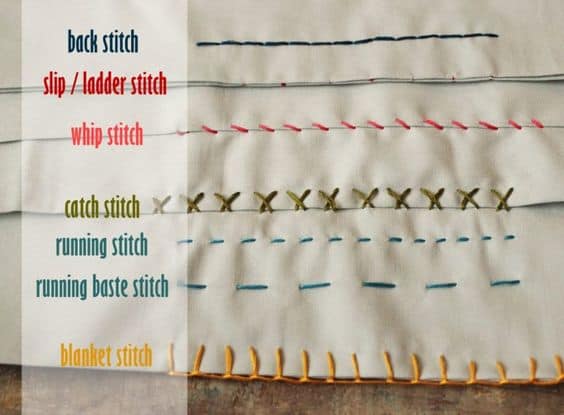
Garment making was performed entirely by hand before the sewing machine. However, few garments are produced completely by hand today in the presence of advanced sewing machines and sergers. Many custom-made and home-sewn garments continue to use some form of hand stitching mainly as finishing techniques. Understanding and knowing the correct stitch to use is necessary for the appearance of the piece. Sewn by hand or machine, there are many types of hand stitching embroidery. For hand-sewing stitches, here are some instructions on how to achieve basic stitches for all your sewing projects. These methods of hand stitching and machine stitching can help direct you, whether you are a novice or a professional sewer, through your designs. Types Of Hand Stitching: 1. Running stitches: The long, straight stitch is a running stitch, often referred to as a basting stitch. This stitch is commonly used as a basting stitch, meaning it will tie two pieces of fabric together temporarily and can be removed later easily. Procedure From the wrong side, insert your threaded needle upward. Insert it into the fabric in accordance with the marked pattern. Bring back up the thread and repeat. 2. Backstitch: It is a simple embroidery stitch that produces a line of stitches without a break between them. It looks like a continuous line with a straight thread. Procedure Take a small stitch, work from left to right, At the end of the previous stitch, then insert the needle, taking it out to the point where the thread emerges. Continue, placing the needle at the end of the previous stitch at all times. 3. Catch stitch: It is invisible on the right side of the fabric due to this it suitable for blind hems. This catch stitch is taken up by a zig-zag pattern. The catch stitch is a perfect flat stitch technique for seaming two pieces of fabric with a slight overlap. Procedure Take small stitches from the hem when working from left to right. Take a tiny stitch on a garment. 4. Slip stitch: An often invisible seam is created by the slip stitch and is a good stitch for hemming. Using a colour of thread similar to that of the object and the fabric will blend into the seam. Procedure Pull the needle through the hem’s fold. At the same time, pick up a thread of cloth. Make the stitches separate and reasonably loose by around 1/2 inch. 5. Blanket stitch: A decorative seam-finishing technique that is intended to be noticeable is the blanket stitch. This stitch is commonly used as finish the edges of pillows or quilts. Procedure Insert the needle from back to front into the fabric 1/8 of an inch from the edge, securing the thread on the wrong side of the fabric. Wrap around the working head behind the end of the needle’s eye, then behind the point. Pull through the needle, taking the knot to the edge of the fabric. Continue, having the knot and stitches closely spaced. 6. Whipstitch: It is a simple seaming technique. Whipstitch consists of a line of short diagonal stitches which is invisible on the right side of the fabric. Procedure Thread your needle, and at the end of the thread, tie a knot. From the underside of the fabric and up through the top, feed the needle and hide the knot. When operating with the two edges of the fabric together with the wrong sides of the fabric facing each other, carefully thread short diagonal stitches around the seam.

Different Types Of Hand Stitching Read More »